Strengthening the Implementation of the Internal Quality Assurance System (SPMI) and Risk-Based Internal Quality Audit (AMI) in Supporting Higher Education Quality Culture
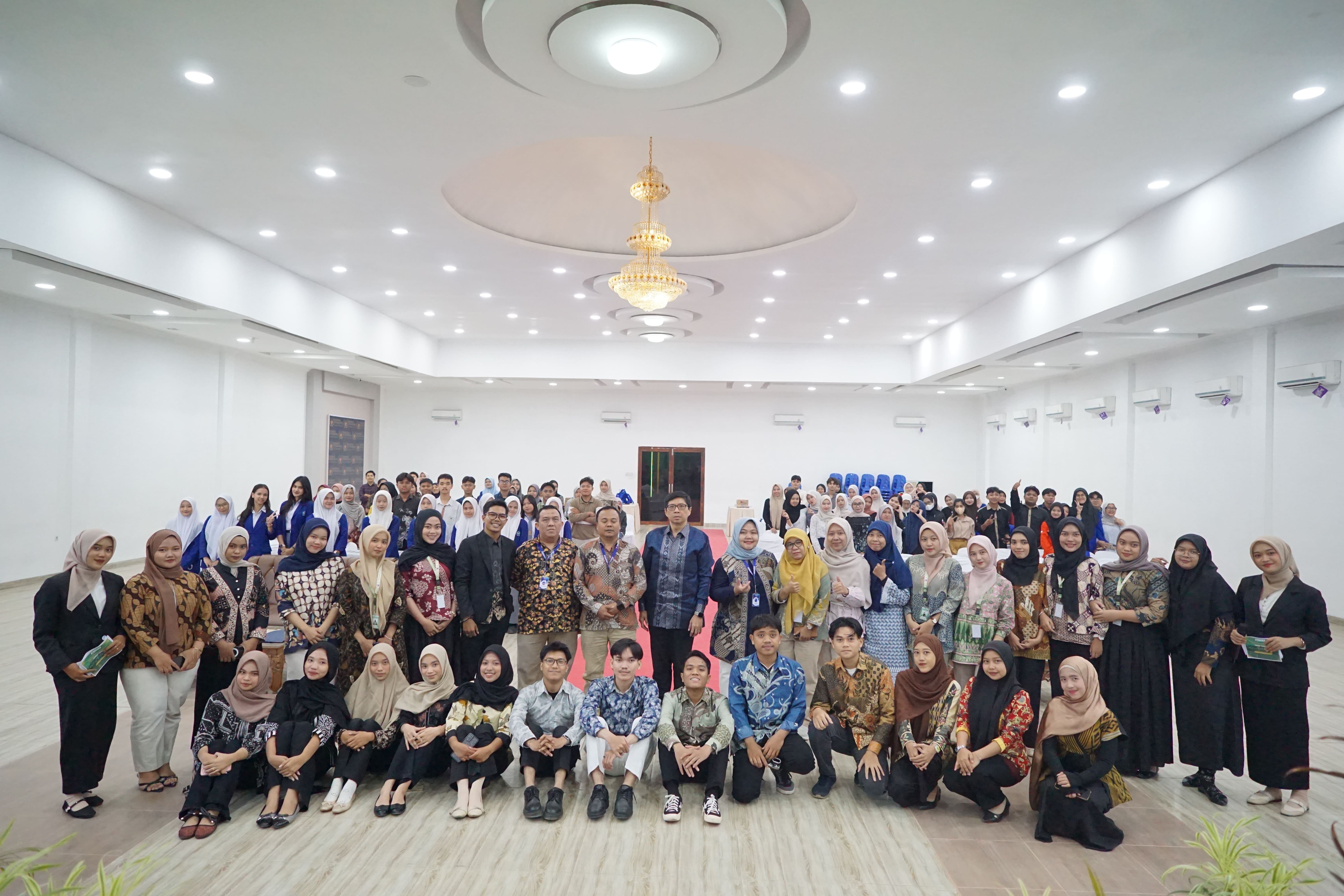
Medan, 4 February 2026 – In an effort to consolidate and strengthen higher education governance, the Main Potential University (UPU) Medan is holding activities to Strengthen the Implementation of the Internal Quality Assurance System (SPMI) and Risk-Based Internal Quality Audit (AMI). This activity, which lasted for two days, Tuesday and Wednesday (3-4 February 2026), was attended by all leaders and representatives of work units within UPU, located in the Hall of Building B on the local campus.
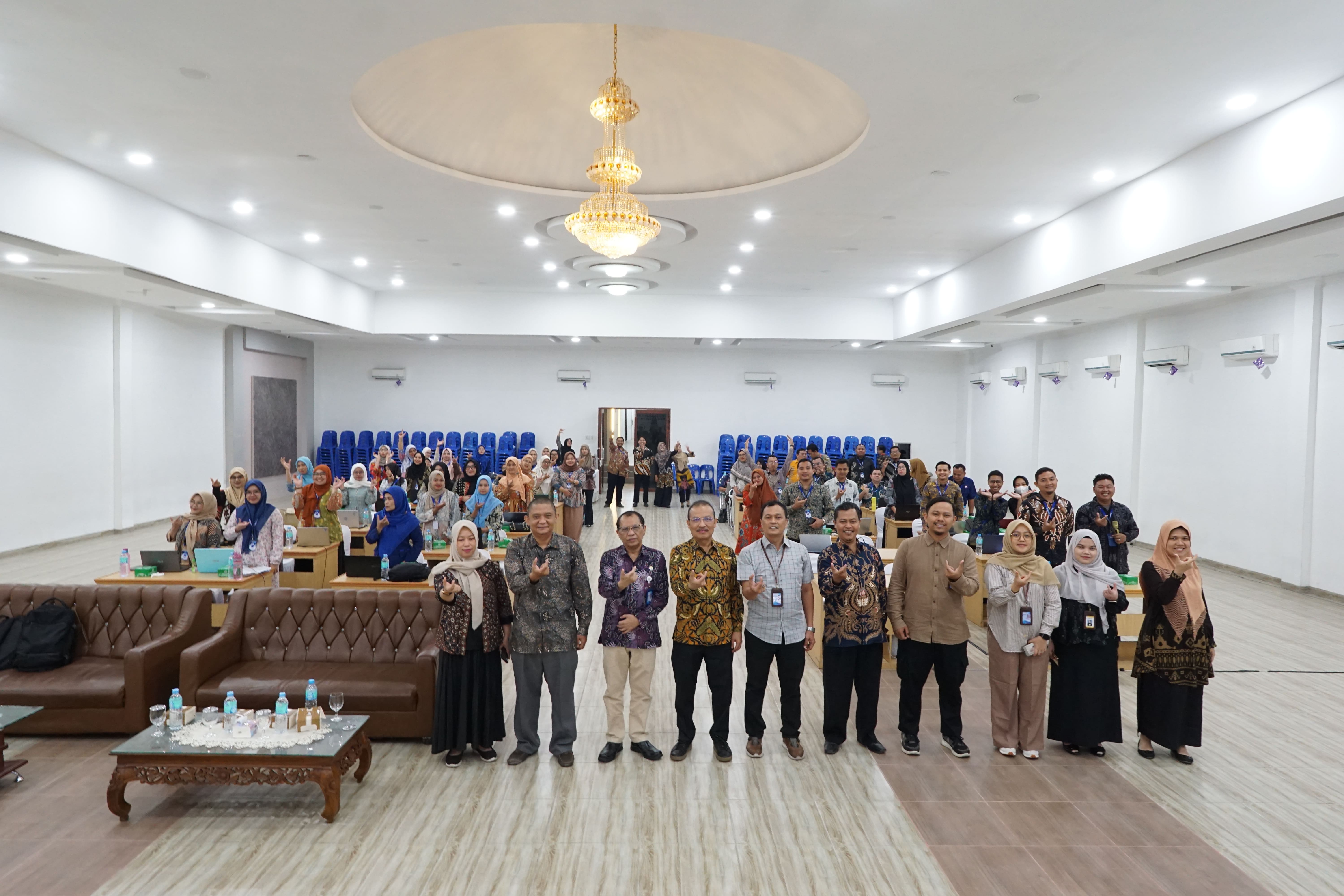
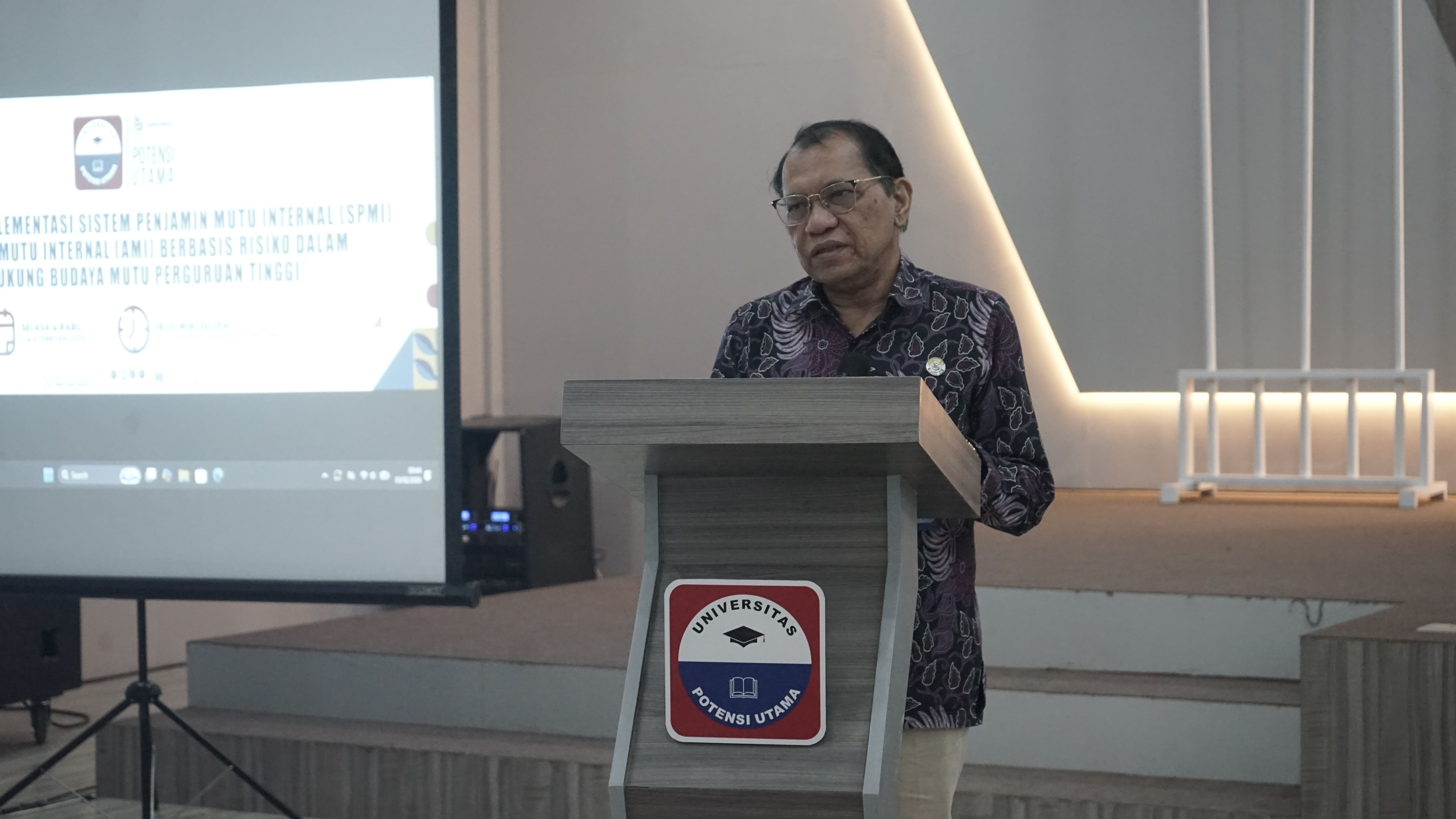
This strategic activity was attended by a number of key officials, including representatives from the Chair of the LLDikti Region I Institution along with facilitators, the Chair of the Foundation, the UPU Chancellor, all Vice Chancellors, Deans, Head of Study Programs, Head of the Study Program Implementation Unit (UPPS), as well as a number of staff and employees. Their presence confirms the university's collective commitment to building a sustainable quality culture.
In his speech, the Chancellor of the Main Potential University, represented by the Deputy Chancellor I for Academic Affairs, Mrs. Lili Tanti, emphasized that strengthening SPMI and AMI is not just about fulfilling regulations, but is at the heart of continuously improving the quality of educational services. "Effective and risk-based implementation will guide us to be more proactive, focus on the most critical areas, and optimize resources to achieve superior quality and competitiveness," he said.
This activity, which presents competent resource persons from LLDikti Region I, aims to:
- Deepen understanding of the concepts and mechanisms of risk-based SPMI and AMI.
- Increase human resource capacity in planning, implementing and evaluating internal quality assurance.
- Develop a strategy to integrate risk management principles into the quality assurance cycle (PPEPP: Determination, Implementation, Evaluation, Control and Improvement).
- Strengthen the commitment of the entire academic community in realizing a culture of quality that is embedded in every academic and non-academic process.
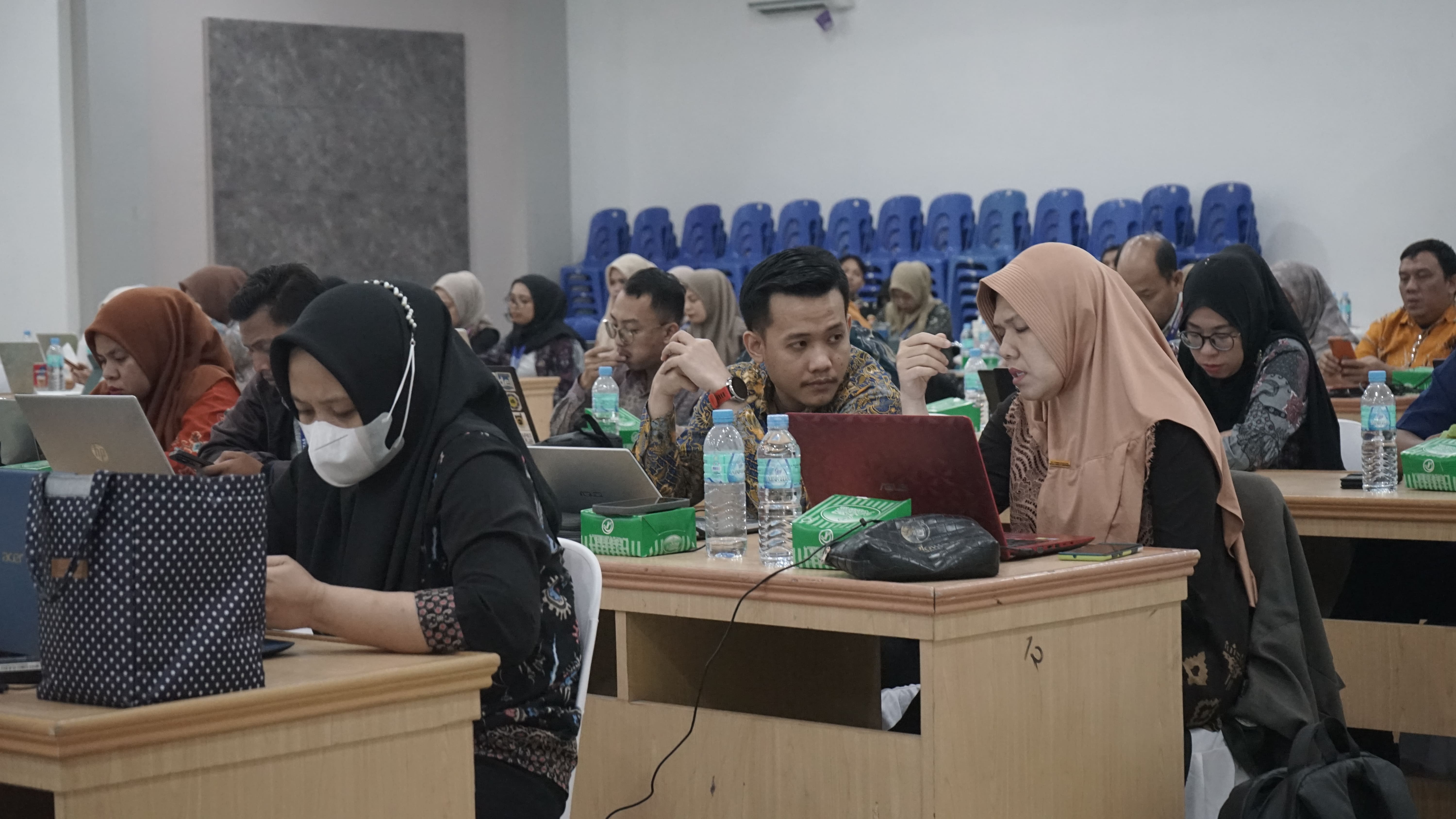
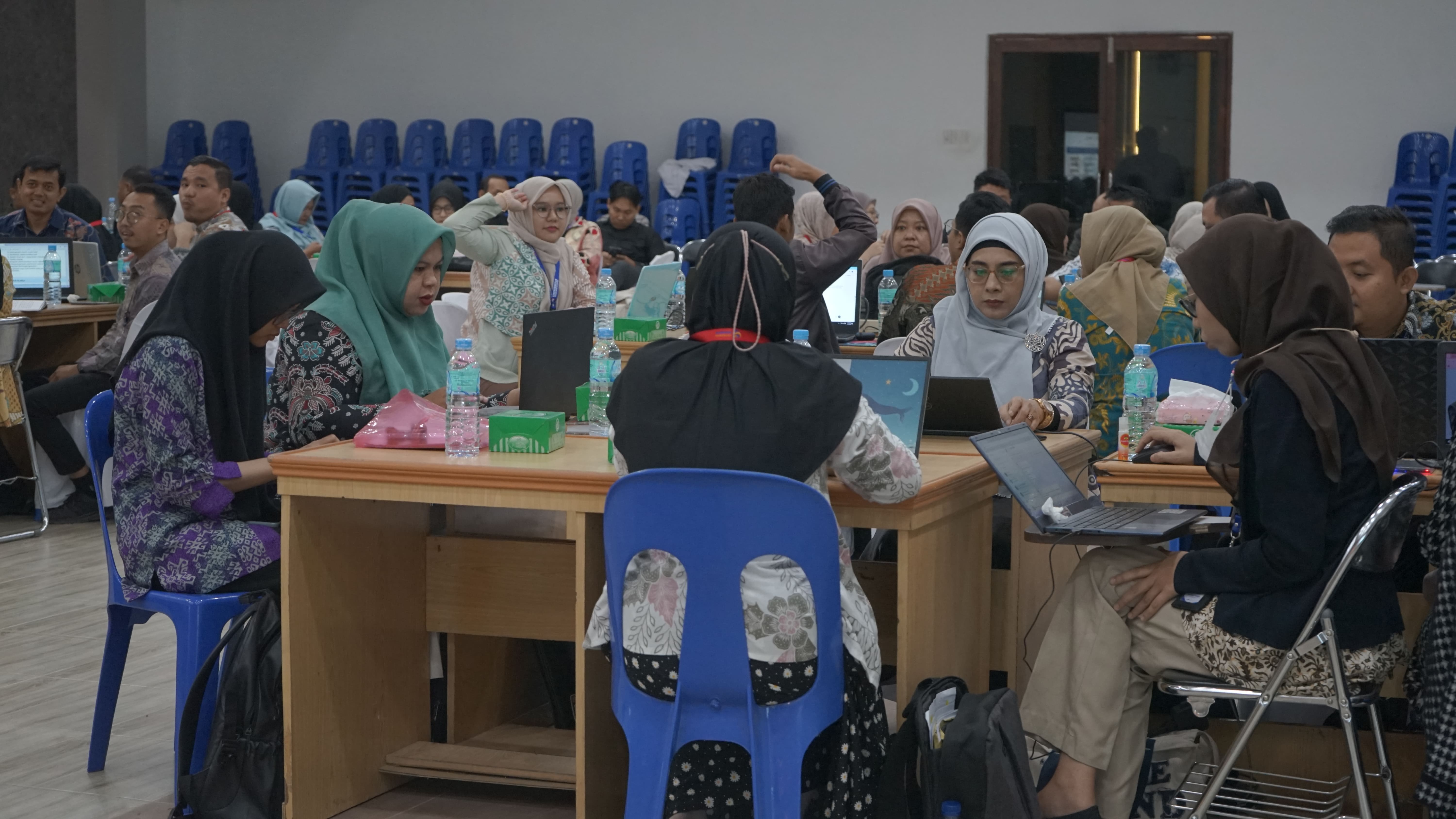
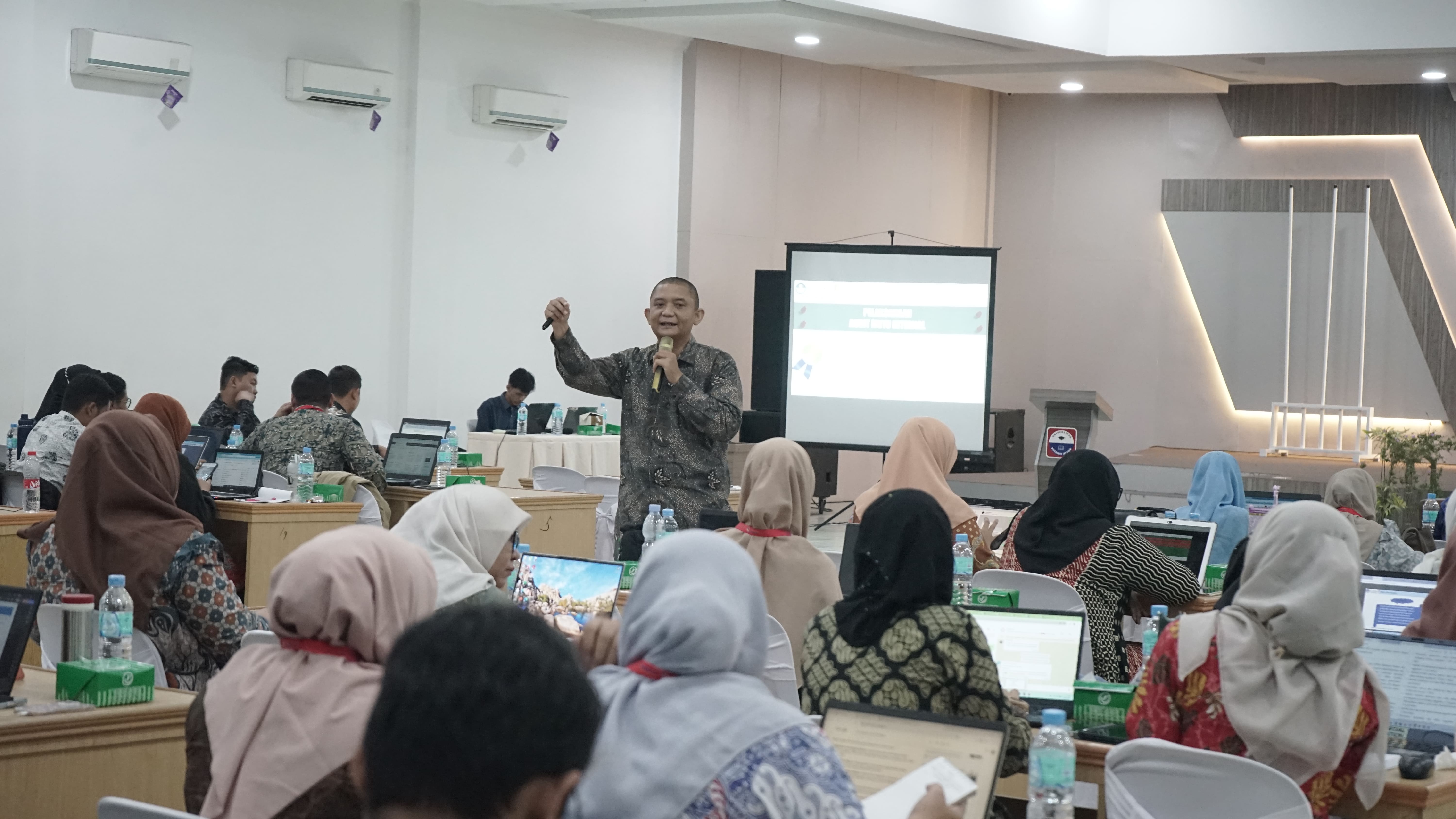
Facilitators from LLDikti Region I said that the risk-based approach in AMI allows universities to be more efficient and effective. "Audits are no longer uniform, but are focused on areas with a high risk of achieving quality standards. This makes the quality assurance process sharper, more relevant and has a direct impact on improvement," he explained.
Through intensive workshops and discussions, participants consisting of university leaders down to the study program level sharpened audit instruments, identified risks, and prepared more measurable corrective action plans.
Deputy Chancellor I for Academic Affairs stated that the output from this activity would be directly implemented in the preparation and implementation of the annual quality plan. "This comprehensive understanding will be translated into action plans in each unit, so that the quality assurance process is truly alive and becomes part of our work culture," he said.
This activity is a concrete step for Potential Main University in strengthening its internal quality foundations. It is hoped that all UPU academics can be consistent and sustainable in implementing risk-based SPMI and AMI. This is in line with the university's efforts to not only meet the National Higher Education Standards (SNPT), but also towards higher education governance that is adaptive, accountable and oriented towards continuous quality improvement, in order to realize the vision of becoming a superior and competitive university at the regional level.